


by
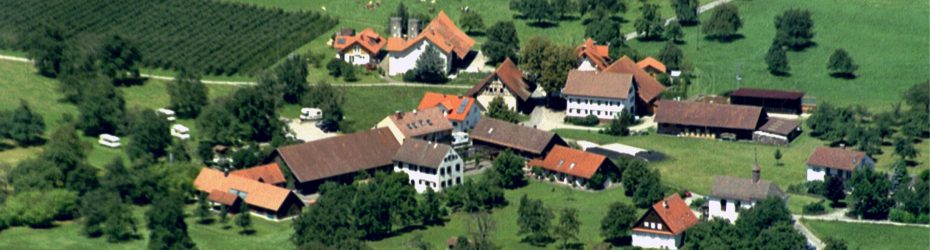
Sustainable Fire Station, Kressbronn
Design competition for a sustainable new fire station serving Kressbronn’s expanding Bachtobel district, in Germany, with improved operational capacity.
The Municipality of Kressbronn am Bodensee has launched an anonymous single-stage architectural design competition for a new fire station within the emerging Bachtobel urban expansion area in southern Germany. Conceived as an interdisciplinary realisation competition under RPW 2013 regulations, the project seeks a high-quality, sustainable and economically efficient civic building that responds sensitively to both its operational requirements and its evolving residential context. The new facility will replace the municipality’s undersized existing fire station, providing approximately 2,650m² of accommodation including 12 appliance bays, improved operational infrastructure, staff facilities and vehicle capacity for the volunteer fire brigade. Positioned along the north-west edge of the district’s public-use development zone, the scheme must carefully integrate architecture, landscape and infrastructure while minimising conflicts with adjacent housing and community uses. Teams led by architects in collaboration with landscape architects and structural engineers are invited to propose a robust and future-oriented public building capable of supporting the long-term resilience and identity of Kressbronn’s civic infrastructure.
Location
Sector
Infrastructure, Landscape Public Realm
Intervention
New Build
Website
Tender Portal
Tender Stage
Qualification for design competition
Deadline
8 June 2026
Date Added
7 May 2026
Estimated value
£0–5m
Consultant Team
Architect
Landscape architect
Structural engineer
Landscape architect
Structural engineer
Submission Criteria
25 teams will be chosen to submit design proposals. 7 of them will be appointed directly by the client.
Qualification Deliverables:
– Team composition
– Proof of professional registration
– Evidence of entitlement to use the professional title
– Self-declaration confirming professional indemnity insurance exists
– Insurance covering personal injury, property damage and financial loss
For international applicants:
– Diploma
– Master’s certificate
– Examination certificate
– Equivalent professional qualification recognised under Directive 2005/36/EC
Mandatory Self-Declarations:
– No insolvency proceedings
– No criminal convictions under procurement law
– Compliance with environmental, labour and social legislation
– No anti-competitive behaviour
– Compliance with minimum wage legislation
– Tax and social security compliance
– Compliance with EU Russia sanctions regulations
Reference Projects:
– Maximum 1 x A4 page per reference project
– Including drawings, images and explanatory text
Competition Success References:
Applicants must provide evidence of success in formally organised design competitions.
– Type of award or commendation
– Year of award
– Competition type
– Contracting authority / competition organiser and address
– Author / applicant name
Graphic material:
– Drawings
– Images / photographs
– Explanatory notes
Award-Winning Built Projects:
– Project title
– Type of award
– Client
– Author / applicant name
Graphic material:
– Drawings
– Images / photographs
– Explanatory notes
Examples of acceptable awards:
– Chamber of Architects awards
– Exemplary Building awards
– Hugo Häring Award
– BDA Plaque
Comparable Build Projects:
Applicants must provide evidence of completed comparable projects.
Construction cost minimum:
– KG 300–400 (building and technical systems)
– minimum €5 million gross
– Completion of HOAI work stages 2–8
– Fire station projects particularly advantageous
Design Competition Deliverables:
– Urban design concept
– Landscape concept
– Architectural concept
– Functional planning
– Spatial programme response
– Sustainability strategy
– Economic efficiency strategy
Likely deliverables (to be confirmed in the competition brief) include:
– Site plan
– Floor plans
– Sections
– Elevations
– Landscape plans
– Diagrams
– Visualisations
– Sustainability narrative
– Functional concept explanation
– Cost and efficiency strategy
 English
 Spanish
 Portuguese
 French
 German
 Italian
 Japanese
 Arabic
 Chinese