


The pivot from practice to film
Award-winning filmmaker Dion Barrett discusses film as an architectural tool - one that communicates process, purpose and practice culture, not just finished buildings
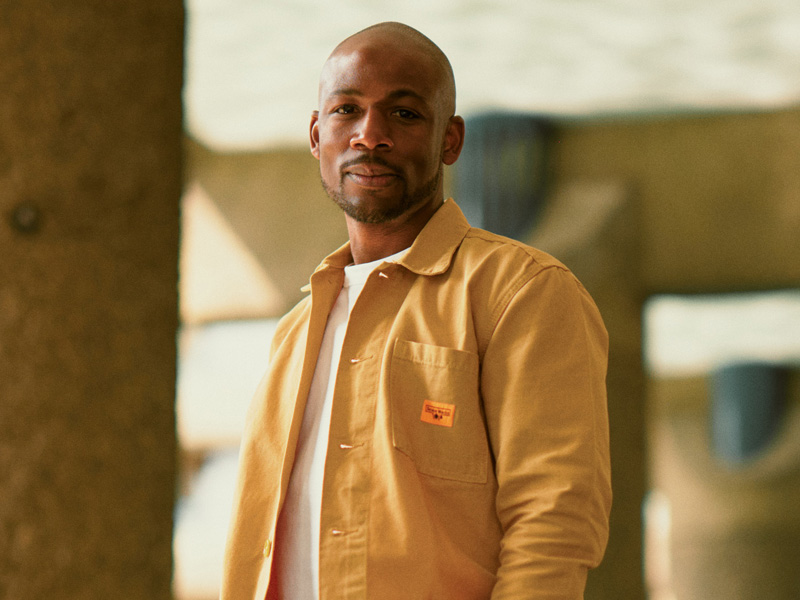
Photograph by Rory Langdon-Down
In conversation with Beedier, Dion Barrett reflects on his transition from architectural practice to full-time filmmaking – and why he still considers himself very much an architect. His work reframes film as an architectural tool, capturing process, intent and understanding in ways that extend far beyond polished imagery.
“I still feel like I practice architecture. It’s just practicing in another way,” says Dion Barrett of his move into full-time architectural filmmaking after a decade in architectural practice.
It’s a move that’s already paying dividends, with clients ranging from architectural practices to the RIBA, The Architects’ Journal and the British Museum. Barrett recently won an Archiboo award for Best Use of Video (1-10 staff) for his work for Intervention Architecture, following on from success in the AJ100 Awards the previous year, where his Village Stories film of the Millennium Village for Jestico + Whiles won Communication Initiative of the Year. In 2024, he was also chosen as one of RIBA Journal’s Rising Stars cohort.
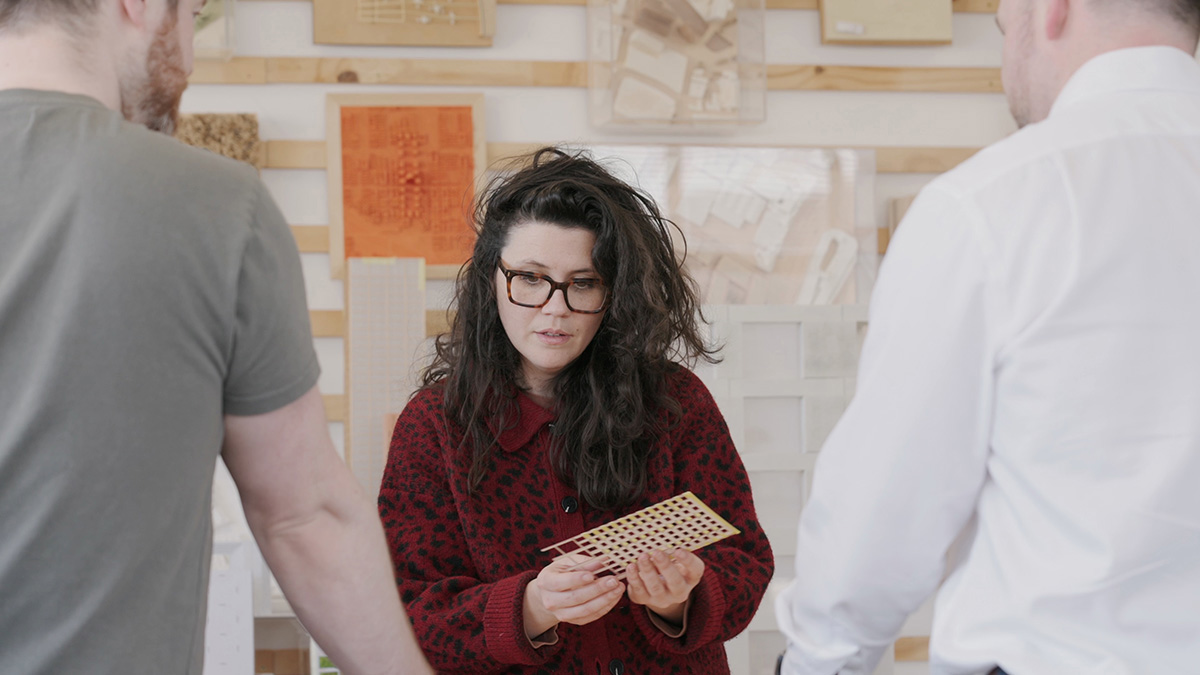
“More than Just 10” (Dion Barrett for Intervention Architecture)
Coventry-based Barrett trained at Liverpool John Moores University before working for Associated Architects in Birmingham and Fabric in Solihull. He was drawn to films about architecture as a student, but found that these were often either beautifully shot but insubstantial, or highly informative but dry. He felt there had to be another way that bridged the best of these two approaches.
He started out filming events for the Birmingham Architectural Association when it was relaunching, as well as documenting the course of projects he was working on as they were built.
“I wanted to create the films that I would have enjoyed and appreciated, as both a student of architecture, but also as an architect myself,” says Barrett.
Over time, he began splitting his week between architectural practice and filmmaking commissions before finally committing full-time to filmmaking around the turn of 2024.
Barrett thinks of this move as a ‘pivot’ in the way he practices architecture rather than a break. Some films are research pieces in themselves that have formed part of RIBA Stages 0 & 1. Others, such as a film about the refurbishment of the Smithsons’ modernist Hunstanton School for Jestico + Whiles, contribute to Stage 3 by showing how the architect truly understands the challenges and significance of the project. Films showing a building in use, such as Village Stories, relate to Stage 7. The output isn’t just the finished film, he says, but all the other material collected along the way that can be used in other ways, such as in reports or awards submissions.
Barrett sees his films as falling on the intersection of three forces – beauty (the craft of filmmaking), storytelling (an engaging narrative structure) and purpose (why the film should exist).
Establishing the ‘why’ is an important part of initial conversations with the client, and Barrett feels his work as an architect is crucial in understanding practice objectives and how films can address these – it has to be about ‘more than just nice imagery’.
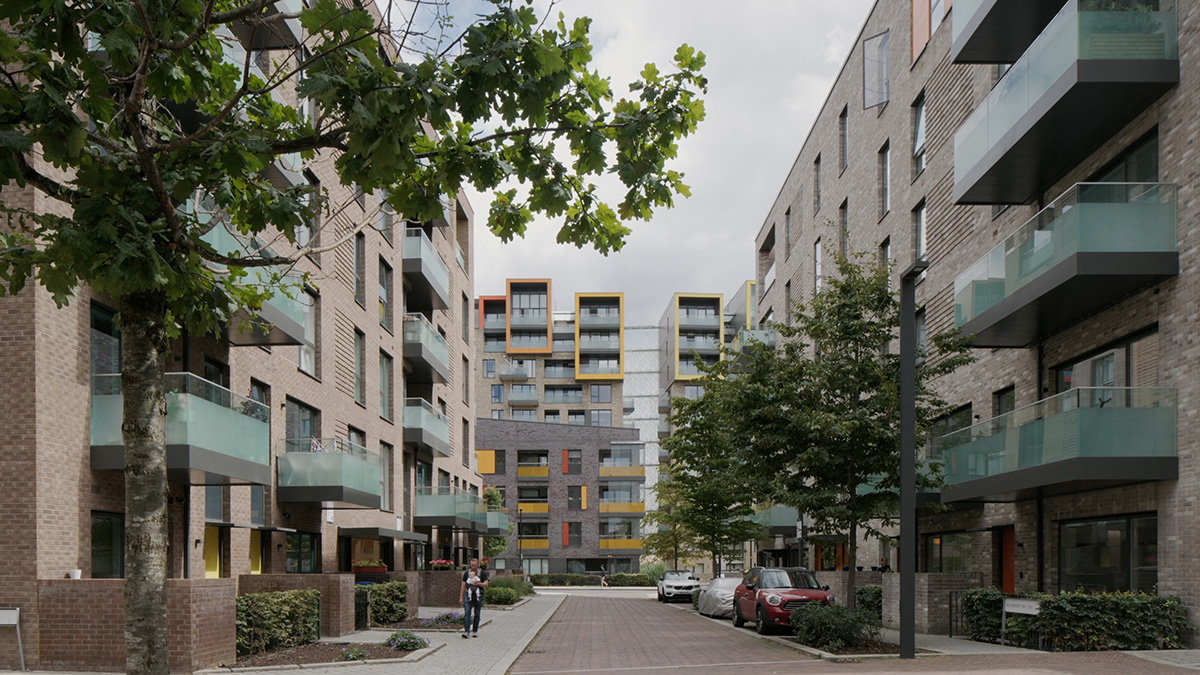
“Village Stories” (Dion Barrett for Jestico + Whiles)
“I’ve spent time around boardroom tables, thinking how are we going to promote ourselves? How are we going to attract new clients? How are we going to attract new staff, and how are we going to get ourselves into the press. I’ve always understood that when someone approaches me to make a film, more often than not it’s because they’re trying to solve a business problem,” he said.
He sees film as an underused but growing form of communication in architecture, and one that is now far more accessible due to technological advances. However, he feels there is still a tendency to commission a film at the end of a project rather than making the most of how effective film can be at communicating the journey of the process.
“Filming the process is something that’s really useful as it allows architects to demonstrate their expertise…It shows future clients what it’s like to work with you, and demonstrates that delivering an incredible project is repeatable. Rather than focusing solely on what it looks like at the end, it’s the process that proves you can recreate that magic.”
As well as working with architectural practices such as We Made That, Jestico + Whiles, Hopkins Architects, Donald Insall Associates and Intervention Architecture, Barrett has made films for other built environment businesses including Max Fordham and Webb Yates Engineers. In addition to project-related commissions, he has increasing been working on films that are topic-related such as thought leadership pieces, or commissions that use film to show the architectural process. Another area is practice culture, such as the film about Intervention Architecture that won the Archiboo prize. For this, Barrett was able to draw on new material and previous footage of the Birmingham-based practice, which was his first ever client.
“For me, creating films is about expanding architectural discourse, so any person or practice who has aspirations to share their ideas is exactly who I want to work with. As a storyteller, I want to help tell those stories.”
For the RIBA, Barrett created a film on the institute’s Decolonising Architecture project, interviewing architect, artist and educator Giles Tettey Nartey about his work at the RIBA’s 66 Portland Place headquarters. Commissions for The Architects’ Journal include a film about David Levitt to mark his AJ100 Contribution to the Profession Award.
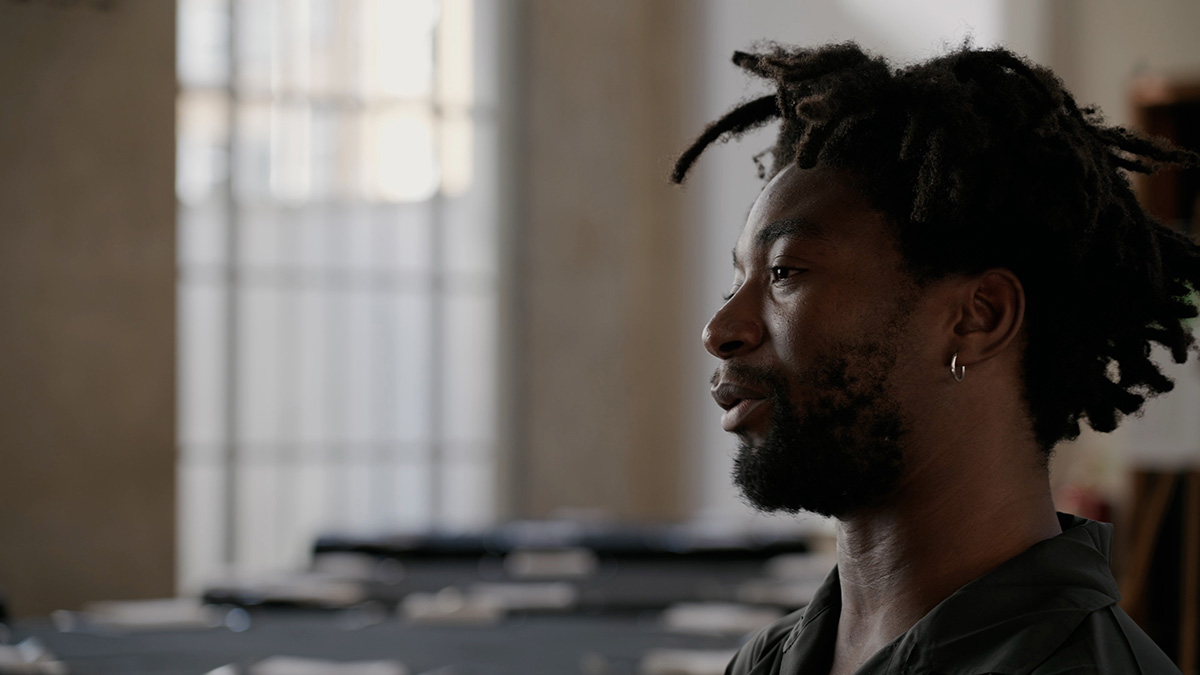
“Decolonising Architecture” (Dion Barrett for RIBA)
Asked about his dream commission, it turns out that Barrett is already working on it. He is documenting the British Museum’s Western Range project, starting with the design charette of competing architectural practices that took place before the appointment of Lina Ghotmeh Architecture to the job.
“Being part of the process so early, and knowing that we could still be filming this in 10 years and then putting it together into a documentary, feels like a dream project,” he says.
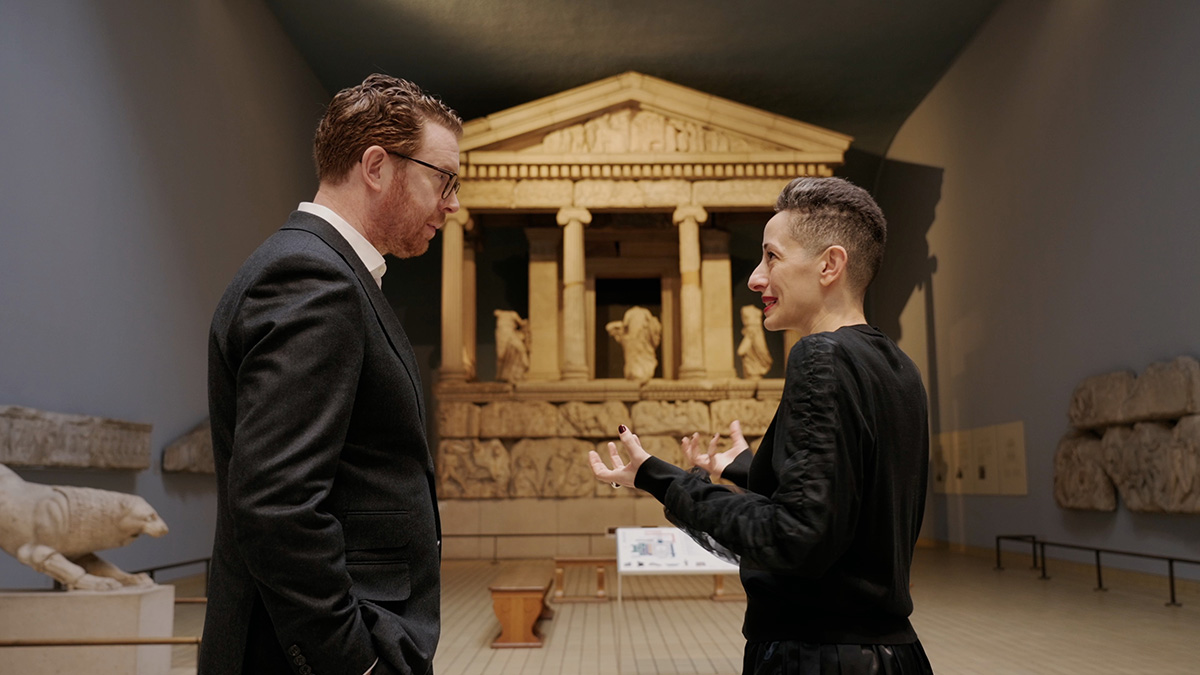
“British Museum Western Range” (Dion Barrett for British Museum)
Barrett still can’t quite believe his good fortune in turning his passion into a full-time career.
“I really do love what I do. It doesn’t feel like a job… I just feel lucky to have found my thing. Even at university, I was fascinated by how ideas were communicated. Architectural filmmaking brings together a craft I was very interested in, with a subject I know well, and it’s grown into something that people really value,” he says.
“It allows me to be fully immersed in an industry that I love, without any of the downsides commonly associated with it,” he says. “It really does feel like a cheat code.”
Dion Barrett is at www.architecture.film