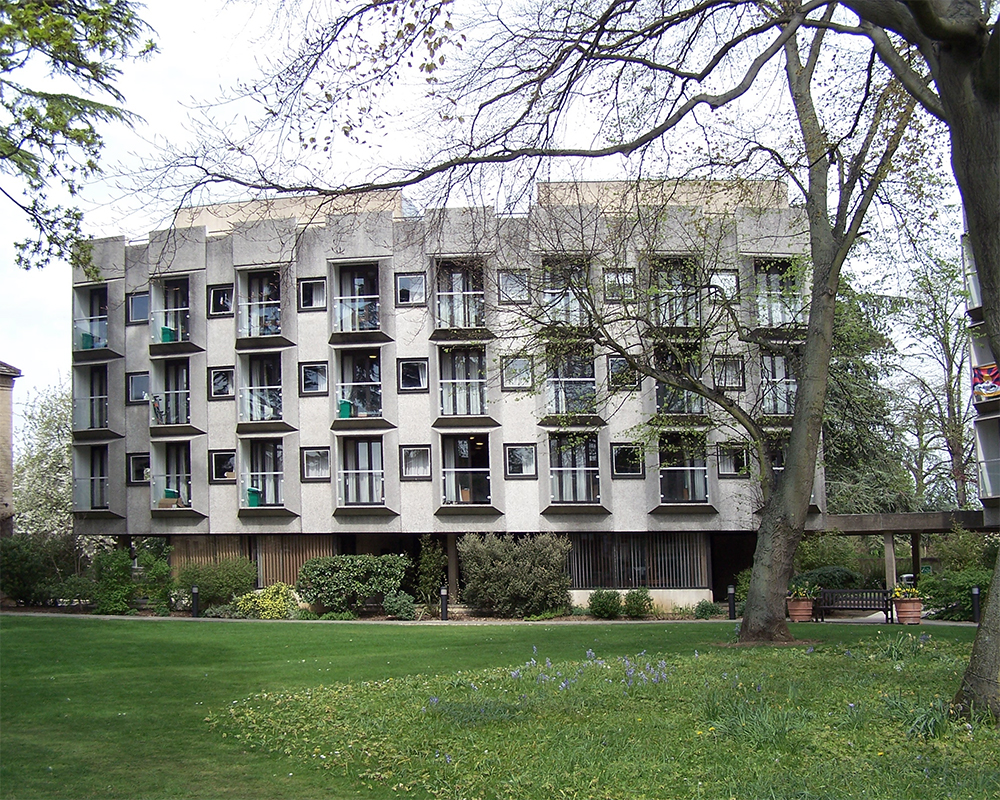
History of the RIBA Awards part 1: in celebration of municipalism
With another RIBA Award submission deadline day passing this week, we look back at the most prestigious of UK architectural award schemes, and a full list of winners from the first ten years (1966-75)
Although it could be argued that an RIBA Award is the gong that everyone wants to win – the benchmark in architectural design success in the UK – its beginnings were a little more modest than the current competition.
RIBA Awards were not the first yearly award for built work in the UK – in 1947 Aneurin Bevan’s Ministry of Health instigated an annual award for public housing, which in 1960 became the Ministry of Housing and Local Government Good Design in Housing Awards, and still exists as the Housing Design Awards. Similarly, the Civic Trust Awards were first organised in 1959, and have since presented more than 7,000 awards to projects all over the world. We will present research into these awards on another occasion.
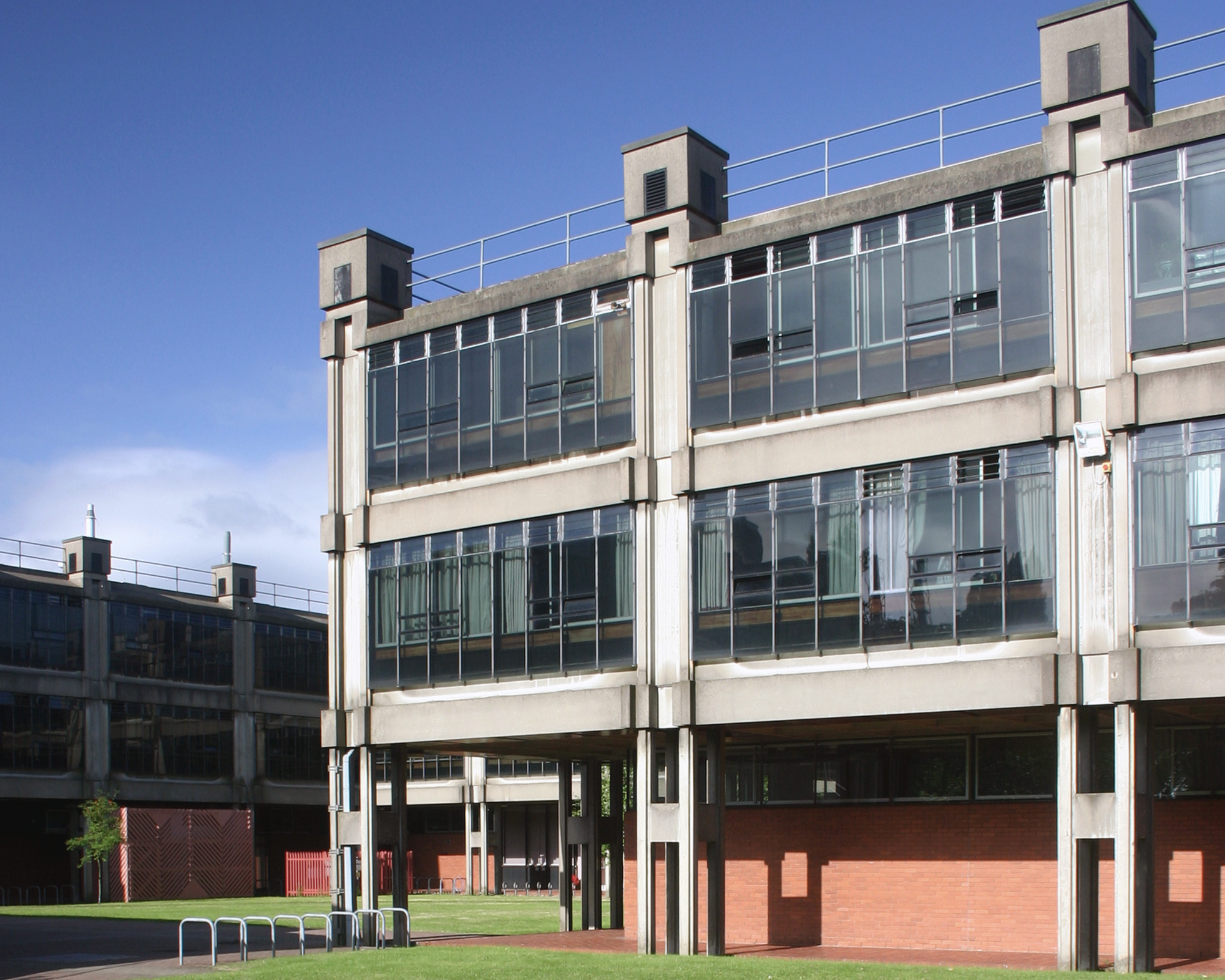
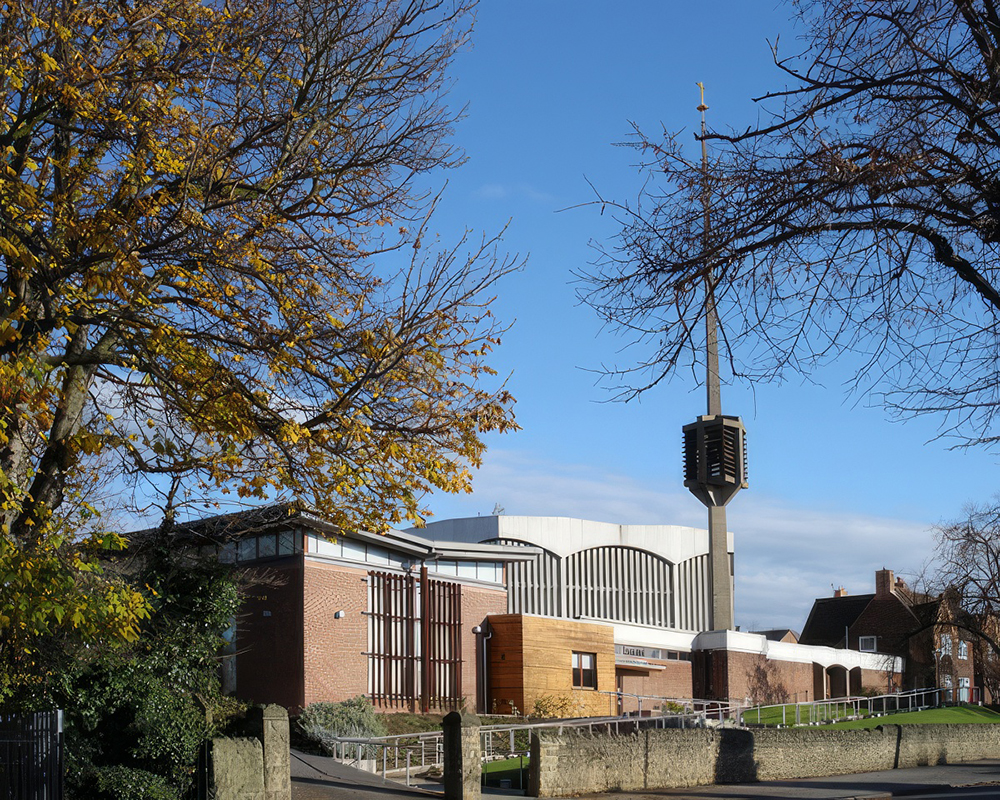
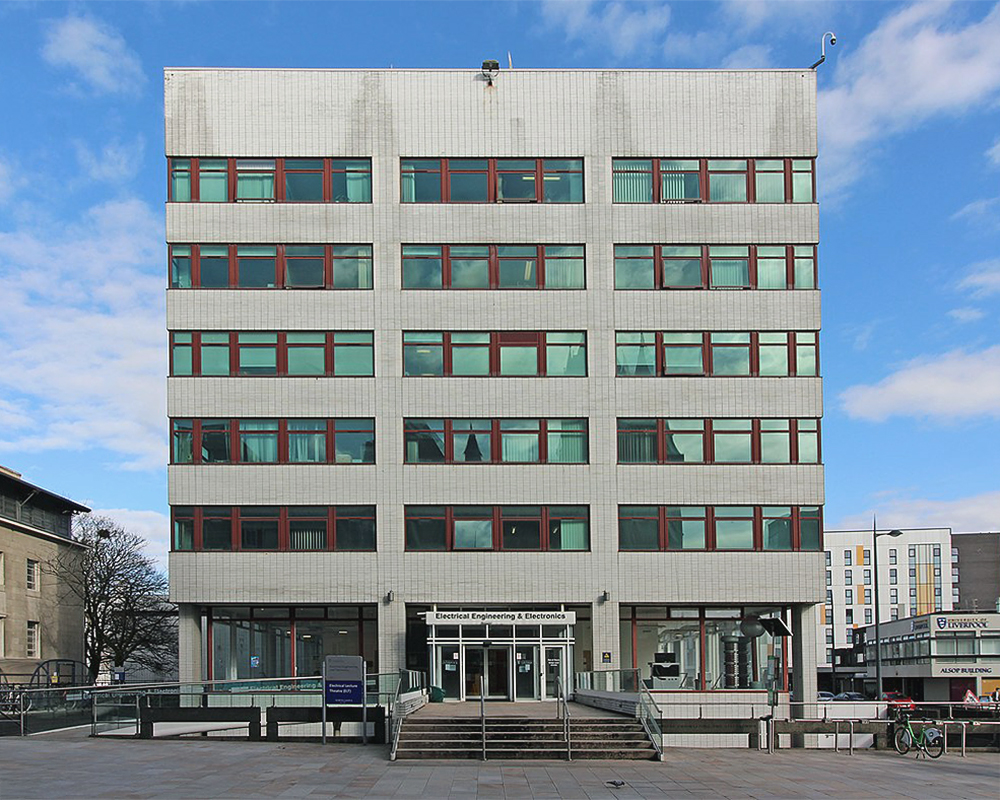
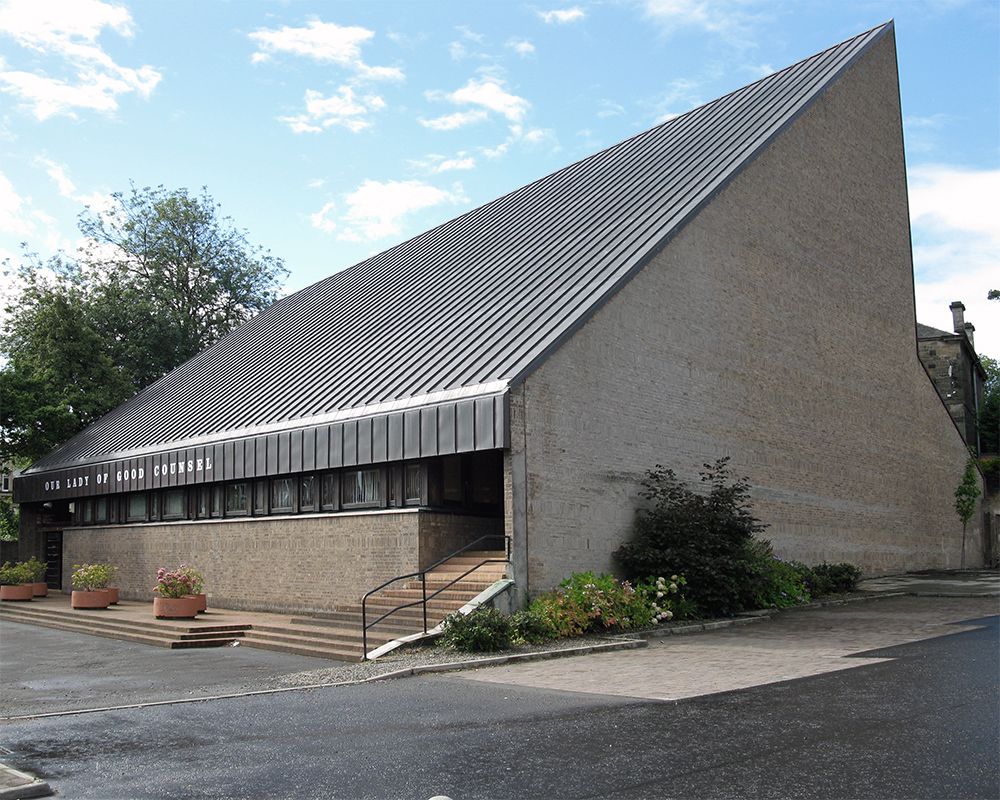
The first RIBA Awards were selected in 1966 – just one project per region, eleven in total – three university buildings, a school for the partially sighted, two churches, two public utility buildings, an airport terminal, Span public housing by Eric Lyons, and Hugh Casson’s Rhinoceros and Elephant Enclosure at London Zoo. Each project received a plaque, and the results were reported in the RIBA Journal.
The typologies mirrored those projects that were also being celebrated by the Good Housing in Design Awards, and Civic Trust – this was the era of municipal architecture, public works were what mattered. Despite this, the RIBA attempted to solicit more applications from the private sector, with a particular interest in industrial buildings and private housing developments. One of the first private buildings to win an RIBA Award in 1969, was Creek Vean, a house designed by Richard Rogers, Norman and Wendy Foster.
Year by year, the RIBA Award submission process gained more interest. A total of 370 entries were submitted in 1970, up by more than 100 from the previous year, but the RIBA still only offered eleven awards. This enthusiasm instigated a change in 1973, when commendations were presented alongside full awards. 100 judges were sent around the country to review buildings, and the ‘all or nothing’ policy of one award per region perhaps caused disagreements among the juries. Second stage juries were introduced to pick the winners, which then meant that the final say was based on the review of photographs, drawings, and the reports of the visiting members only.
“The idea of introducing commendations in addition to the possible one award per region of previous years, was intended not just to give the ‘near misses’ some recognition, but to give juries the chance to draw attention to particular qualities in a building which might on other respects fall short of the ‘excellence’ demanded of an award winner. It was also hoped that together the awards and commendations would, over the years, form a record of the best new building work in each region.” (RIBA July 1973)
And every year, the RIBA Journal expressed disappointment that it received no entries from private housing developers. The first commercial residential project of any kind to pick up an award in 1974, was the Beechwood Motor Hotel in Runcorn for Crest Hotels, which still exists as a Holiday Inn – very good rates!
By 1975, the RIBA had given out 95 awards to 60 different architectural offices. Richard Sheppard Robson & Partners had acquired the most, six awards in total, followed closely by Powell & Moya, and Howell Killick Partridge and Amis, an influential studio that was in operation between 1959 and 1995, both with 5 awards. A public exhibition called “Decade” was displayed at RIBA Portland Place to celebrate its first ten years. A third of all awards from this era, went to University buildings, and after ten years, only one development of housing for private sale was awarded, The Barbican by Chamberlin Powell & Bon, for the Corporation of London.
This series of short articles will continue with the next instalment. History of the RIBA Awards part 2: the rise of the workplace (1976-87)
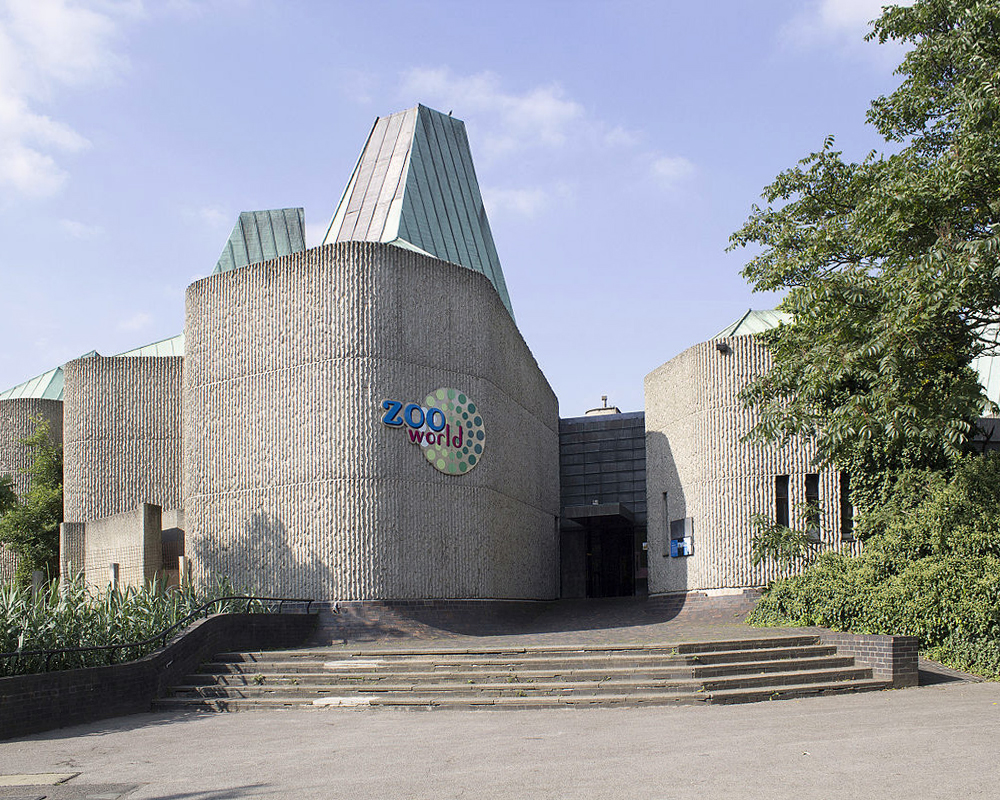 RIBA Award 1966 - Elephant & Rhinoceros Pavilion, London Zoo (Katie Chan, CC BY-SA 3.0, via Wikimedia Commons)